Dental Bonding: An Easy Way to Repair Chips, Cracks, and Gaps
Minor chips, cracks, and gaps in the smile do not have to be permanent. Dental bonding is a quick yet durable way to repair teeth with these cosmetic imperfections. With natural-looking results and minimal preparation, bonding can support oral health and restore the smile to its prior radiance.
What is dental bonding?
Dental bonding is a cosmetic procedure in which a tooth-colored resin is applied to the surface of a tooth and sculpted into shape. The material bonds directly to the enamel, restoring the structure and look of the tooth in one appointment. In addition, bonding usually requires little to no removal of the original tooth structure.
How long does the bonding process take?
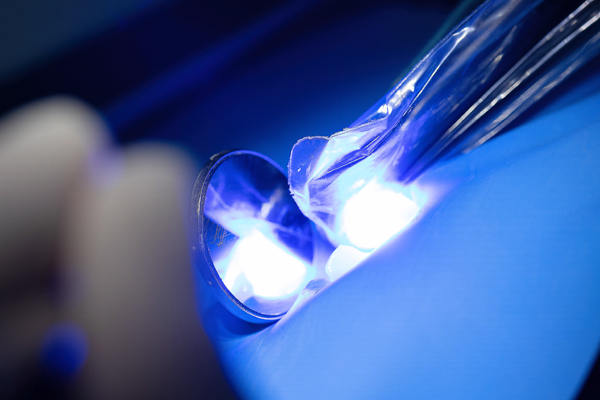
The process is relatively quick and minimally invasive, and it can take just one appointment. A dental provider selects the bonding material to match the natural shade and sheen of the surrounding teeth, ensuring it blends in seamlessly. The dentist will then use a special light to harden the resin before polishing the teeth for a smooth, natural finish.
Repairing different cosmetic imperfections with dental bonding
Teeth that have been chipped, cracked, or spaced unevenly can become more vulnerable over time. What may be a minor cosmetic imperfection at first may progress into an oral health problem that compromises a tooth. Dental bonding offers a gentle, efficient way to reinforce the natural structure of the tooth and enhance its appearance.
Here is how bonding can repair:
Chips
Even small chips in a tooth can catch the tongue, alter the bite, or detract from the symmetry of a smile. Dental bonding helps rebuild the lost portion of enamel by applying tooth-colored composite resin directly to the affected area. The dental provider simply shapes the material to restore the original contour of the tooth.
This approach not only improves the look of the tooth but also helps protect the inner layers from exposure and infection. Dental bonding provides a smooth surface that resists further wear and supports daily function without altering neighboring teeth.
Cracks
Hairline cracks and minor fractures in a tooth can happen as a result of everyday wear, teeth grinding, or dental trauma. If left unaddressed, these cracks may deepen or harbor bacteria that lead to decay. Dental bonding helps seal the damaged area, preventing further deterioration while preserving the appearance of the tooth.
The bonding material reinforces the tooth’s structure and creates a more even surface. In many cases, bonding can even prevent the need for more extensive treatments (like dental crowns) by addressing the issue early and restoring the strength of the enamel.
Gaps
Gaps between teeth, also known as diastemas, can create cosmetic concerns or allow food to become trapped during meals. Dental bonding offers a non-orthodontic solution by carefully applying composite resin to the sides of one or more teeth, effectively reducing the space in a natural-looking way. This method is particularly helpful for patients with a small gap between the front teeth or uneven spacing in visible areas.
Discover how dental bonding can restore your smile
Dental bonding is a fast, comfortable way to repair minor imperfections. Whether correcting chips, sealing cracks, or closing gaps, it supports long-term oral health while delivering aesthetic improvements. Learn more about how bonding can restore your smile during an appointment.
Request an appointment here: https://www.westerniowadental.com or call Western Iowa Dental at (712) 325-1544 for an appointment in our Council Bluffs office.
Check out what others are saying about our dental services on Yelp: Dental Bonding in Council Bluffs, IA.
Related Posts
If you have gapped teeth, dental bonding can be an option to restore your smile. It is a cosmetic dental procedure that uses composite resin materials to transform the teeth’s appearance. Dental bonding can correct not only small spaces between teeth but also other flaws like discoloration and minor tooth decay, cracks, or chips. It…
Many patients have dental bonding procedures for cosmetic reasons. However, the treatment is also sometimes used to strengthen teeth that are chipped, cracked, decayed, or have exposed roots.Dental bonding is done with a composite resin that a dentist has color-matched to the natural teeth. The dentist roughens the tooth surface and then applies a conditioning…
Visiting a cosmetic dentist is the first step to transforming the appearance of the smile through personalized dental services. While cosmetic improvements are the primary focus, consultations often begin with a thorough evaluation of oral health to ensure a solid foundation for lasting results. Understanding how to prepare for this appointment not only improves communication…
Today, with increasing importance placed on dental aesthetics, there are many reasons why one may consider a trip to the cosmetic dentist. The desire for good-looking teeth is important as beautiful smiles are known to contribute to a person's overall well-being and positive self-image. There are many different avenues for fixing an imperfect smile. In…