Am I a Candidate for Implant Restoration?
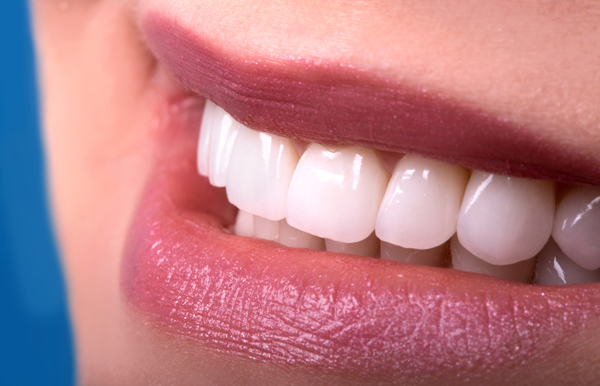
Missing teeth can impact the appearance of the smile and make it difficult to speak, chew, and eat. Dental implant restoration is a method of replacing missing teeth that can improve the appearance of a patient's smile and restore the function of the teeth.
Implant restoration
Implant restoration involves surgically placing artificial tooth roots into the jaw of a patient. The artificial roots are constructed from titanium and resemble screws. Artificial teeth are attached to the posts to replace the look and function of missing teeth.
Who is a candidate?
You may be a candidate for implant restoration if you meet these criteria:
- Have one or more missing teeth
- Want to improve your ability to speak
- Can not or do not want to wear dentures
- Have a fully grown jawbone
- Enough bone to secure the implants or can have a bone graft performed
- Have healthy oral tissues
- Do not smoke or are willing to quit
- Willing to commit several months
What are the benefits?
Traditional dentures or bridges used to replace missing teeth do not replace the tooth roots. Without the tooth roots to stimulate the jawbone, many patients lose bone mass which can change the shape of the patient's face, cause dental work to fit improperly, and interfere with chewing and speaking.
Dentures that do not fit properly can slide in the mouth making it difficult to speak and chew. Implants fuse with the jawbone, making them permanent. An implant restoration will not slide around in the mouth as traditional dentures may and does not require the use of adhesives to keep the restoration in place.
The durable material does not decay the way the natural teeth that support bridges and dentures may, and the implant procedure does not require altering the remaining natural teeth the way a tooth-supported bridge sometimes does. Many patients find implants to be more comfortable than removable dentures, and an implant restoration does not need to be removed for cleaning.
How long does the procedure take?
Implant restoration is a multi-step process that requires several months for most patients. The majority of this time is spent waiting for the jawbone to fuse to the implant as it heals. This usually takes six to 12 weeks. The process may take longer for patients who require a bone graft to prepare the jaw for implants.
What are the risks?
Rarely, implant restoration surgery may result in an infection at the implant site. It may also injure or damage teeth, blood vessels, or other tissue near the surgical site, cause nerve damage, or create sinus problems. When these complications occur, they are usually treatable.
Conclusion
Most patients who have missing teeth are candidates for implant restoration if they have sufficient bone mass to anchor an implant and do not have other complicating health issues. However, the process can take several months to complete, so patients seeking faster restoration methods may want to consider alternatives.
Request an appointment here: https://www.westerniowadental.com or call Western Iowa Dental at (712) 325-1544 for an appointment in our Council Bluffs office.
Check out what others are saying about our dental services on Yelp: Dental Implant Restoration in Council Bluffs, IA.
Related Posts
A restorative dentist supports healthy bite function and smile appearance, helping patients regain both comfort and confidence. Restorative dental care means repairing damaged teeth, replacing missing teeth, and treating gum disease, among other oral health problems. A trained restorative dentist can help transform even a severely damaged smile into a healthy one.General dentists who focus…
Restoring your smile after damage requires a professional, namely a restorative dentist. These specialists focus on repairing and restoring damaged teeth, addressing issues affecting your smile's appearance and overall dental health. Whether through direct treatments or indirect restorations, they provide various services tailored to meet individual needs. Here are five of the most popular services…
Dental bonding is ideal for patients who want a non-invasive and less permanent solution (compared to veneers) to improve their smile. Dental bonding can fix a range of cosmetic issues, including teeth stains, damaged teeth, and short teeth. This guide provides you with the information that you need to decide if dental bonding is right…
A dental implant restoration is as good as it gets when it comes to replacing a lost tooth. Implants are designed to feel natural in your mouth and they are virtually indistinguishable from real teeth. Implants are a long-lasting solution for missing teeth that can last a lifetime.Thinking about replacing your lost tooth with a…